- Publish date
- 2012
- Publisher
- Brilliance Audio
- Description
Where to read & listen
This page may contain affiliate links. We may earn from qualifying purchases at no additional cost to you.
Book data & covers provided by Google Books and Open Library. Connections and summaries generated with Gemini AI.
Report incorrect dataBooks cited in The antidote
Suggested by AI, not verified against the full text. Check the original book before using them as a source.
 Citation
The Denial of Death
Ernest Becker
Informs the chapter on how fear of mortality drives counterproductive human behaviors and anxiety.
High relevanceExplore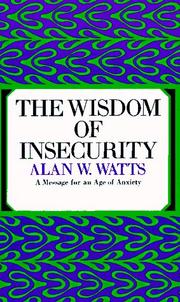 Citation
The Wisdom of Insecurity
Alan Watts
Watts's 'backwards law' is central to Burkeman's argument that searching for happiness prevents it.
High relevanceExplore Citation
Letters from a Stoic
Seneca
Burkeman explores Stoic philosophy and Seneca's practice of premeditatio malorum to embrace negative emotions.
High relevanceExplore Citation
Enchiridion
Epictetus
Cited to illustrate how controlling our reactions to events matters more than the events themselves.
High relevanceExplore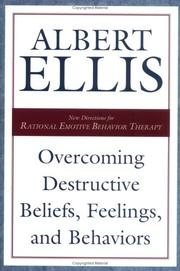 Citation
Rational Emotive Behavior Therapy
Albert Ellis
Ellis's psychological framework is examined as a modern, practical offspring of ancient Stoic thought.
Medium relevanceExplore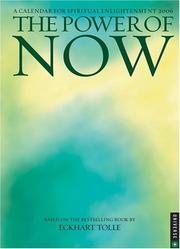 Citation
The Power of Now
Eckhart Tolle
Discussed critically and contextualized within the broader landscape of modern spiritual self-help.
Medium relevanceExplore- Citation
Thought as a System
Jiddu Krishnamurti
Cited regarding the paradox of attempting to use the mind to control the mind.
Medium relevanceExplore 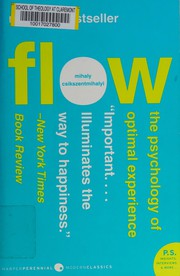 Citation
Flow: The Psychology of Optimal Experience
Mihaly Csikszentmihalyi
Referenced in analyzing the relationship between effortlessness, goal-setting, and human fulfillment.
Medium relevanceExplore Citation
A Guide to the Good Life
William B. Irvine
Referenced in discussions on modern applications of Stoic philosophy and negative visualization.
Medium relevanceExplore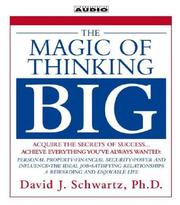 Citation
The Magic of Thinking Big
David J. Schwartz
Critiqued as an example of relentless positive thinking that often backfires on individuals.
Medium relevanceExplore
Recommendations
 AI Recommendation
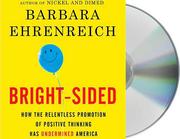
Smile Or Die
Barbara Ehrenreich
Aligns with Burkeman's critique of mandatory optimism and the toxic positivity culture.
High relevanceExplore AI Recommendation
Four Thousand Weeks
Oliver Burkeman
Burkeman's later work expanding on finitude, acceptance, and rejecting toxic productivity culture.
High relevanceExplore AI Recommendation
The Subtle Art of Not Giving a F*ck
Mark Manson
Shares a popular, accessible thesis on accepting negative experiences to live a better life.
Medium relevanceExplore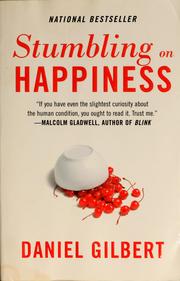 AI Recommendation
Stumbling on Happiness
Daniel Gilbert
Examines psychological research showing how poor humans are at predicting what will make them happy.
Medium relevanceExplore AI Recommendation
Against Happiness
Eric G. Wilson
A thematic exploration of the value of melancholy and rejecting forced cheerfulness.
Medium relevanceExplore AI Recommendation
Radical Acceptance
Tara Brach
Offers a Buddhist-based psychological approach to embracing imperfection and difficult feelings.
Medium relevanceExplore