
The Anxious Generation
Jonathan HaidtEN
- Publish date
- 2024
- Publisher
- Rizzoli
- Description
Where to read & listen
This page may contain affiliate links. We may earn from qualifying purchases at no additional cost to you.
Book data & covers provided by Google Books and Open Library. Connections and summaries generated with Gemini AI.
Report incorrect dataBooks mentioned & referenced in The Anxious Generation
Suggested by AI, not verified against the full text. Check the original book before using them as a source.
- Citation
The Coddling of the American Mind
Greg Lukianoff and Jonathan Haidt
Haidt references his prior work to explain the rise of safetyism and the decline of independent childhood play.
High relevanceExplore  Citation
iGen
Jean M. Twenge
Provides foundational epidemiological data showing the sudden rise in teen mental illness coinciding with smartphone adoption.
High relevanceExplore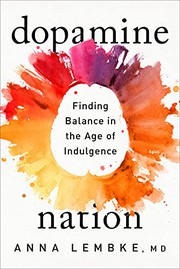 Citation
Dopamine Nation
Anna Lembke
Used to explain the neurological mechanisms of addiction and how digital devices exploit reward pathways.
High relevanceExplore Citation
Free-Range Kids
Lenore Skenazy
Cited to illustrate how modern cultural paranoia limits children's autonomy and physical-world exploration.
High relevanceExplore Citation
Bowling Alone
Robert D. Putnam
Cited to show the broader multi-decade decline in American social capital and community engagement.
Medium relevanceExplore Citation
Girls on the Edge
Leonard Sax
Cited to explain the unique vulnerabilities of adolescent girls to social comparison and cyberbullying.
Medium relevanceExplore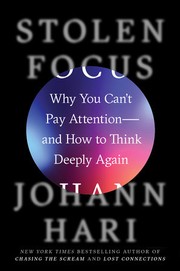 Citation
Stolen Focus
Johann Hari
Referenced in discussions about the corporate incentives driving platforms to capture and monetize attention.
Medium relevanceExplore Citation
Amusing Ourselves to Death
Neil Postman
Evoked as an early warning about the cultural and psychological hazards of screen-based media displacing print and real-world discourse.
Medium relevanceExplore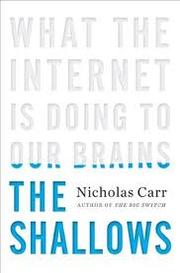 Citation
The Shallows
Nicholas Carr
Discussed regarding how habitual internet use fragments cognitive attention and alters brain development.
Medium relevanceExplore Citation
Boys Adrift
Leonard Sax
Referenced in analyzing the distinct ways adolescent boys withdraw into digital realms like gaming and pornography.
Medium relevanceExplore Citation
Alone Together
Sherry Turkle
Referenced regarding how digital communication substitutes superficial connectivity for deep, embodied conversation.
Medium relevanceExplore Citation
The Righteous Mind
Jonathan Haidt
The author draws on his earlier moral psychology framework to explain group dynamics and online tribalism.
Medium relevanceExplore
There may be more citations. We show up to 12 per book to keep the list manageable.
Recommendations
 AI Recommendation
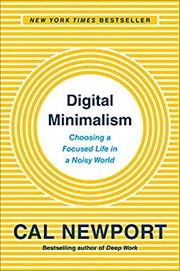
Digital Minimalism
Cal Newport
Offers complementary actionable frameworks for intentionally limiting screen time and reclaiming real-world focus.
High relevanceExplore AI Recommendation
Generations
Jean M. Twenge
Expands on demographic research tracking how technological shifts define Gen Z and subsequent cohorts.
High relevanceExplore- AI Recommendation
The Chaos Machine
Max Fisher
Examines how social media algorithms systematically amplify outrage, psychological distress, and social polarization.
High relevanceExplore - AI Recommendation
Screen Schooled
Joe Clement and Matt Miles
Examines the detrimental effects of excessive classroom and personal device use on children's learning and development.
Medium relevanceExplore - AI Recommendation
Hold On to Your Kids
Gordon Neufeld and Gabor Maté
Explores the psychological dangers of peer orientation replacing parental attachment, closely mirroring Haidt's thesis.
Medium relevanceExplore  AI Recommendation
Hooked: How to Build Habit-Forming Products
Nir Eyal
Details the specific behavioral engineering techniques used by tech designers that Haidt critiques.
Medium relevanceExplore