
The Box
Marc LevinsonEN
- Publish date
- 2006
- Publisher
- 日経BP社
- Description
Where to read & listen
This page may contain affiliate links. We may earn from qualifying purchases at no additional cost to you.
Book data & covers provided by Google Books and Open Library. Connections and summaries generated with Gemini AI.
Report incorrect dataBooks mentioned & referenced in The Box
Suggested by AI, not verified against the full text. Check the original book before using them as a source.
 Citation
The Visible Hand: The Managerial Revolution in American Business
Alfred D. Chandler Jr.
Provides the broader economic framework for how logistical integration and modern management transformed transport systems.
High relevanceExplore Citation
Metropolis 1985
Raymond Vernon
Cited for its analysis of New York's post-war manufacturing and the crippling freight costs of traditional shipping hubs.
High relevanceExplore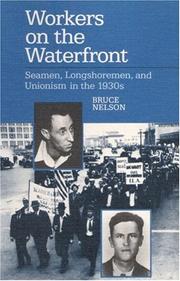 Citation
Workers on the Waterfront: Seamen, Longshoremen, and Unionism in the 1930s
Bruce Nelson
Used to describe the deeply entrenched maritime labor culture and union resistance to early mechanization efforts.
Medium relevanceExplore Citation
Waterfront Revolts: New York and San Juan Dockworkers, 1946–1972
Colin J. Davis
Cited regarding the mid-century dockworker strikes and rank-and-file resistance to work-rule changes triggered by technological shifts.
Medium relevanceExplore Citation
Shape-Up and Hiring Hall: A Comparison of Job-Union Relations on the New York and Seattle Waterfronts
Charles P. Larrowe
Referenced to illustrate the corrupt hiring practices and union dynamics on traditional break-bulk docks prior to containerization.
Medium relevanceExplore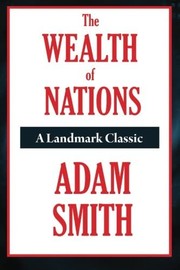 Citation
The Wealth of Nations
Adam Smith
Invoked regarding the foundational economic principle that the division of labor is limited by the extent of the market and water carriage.
Medium relevanceExplore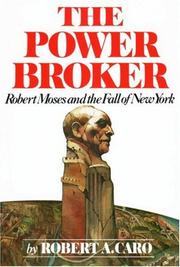 Citation
The Power Broker: Robert Moses and the Fall of New York
Robert A. Caro
Referenced in the discussion of post-war infrastructure decisions and regional politics surrounding New York area ports.
Medium relevanceExplore