The Rebel
Albert CamusEN
- Publish date
- 1992-01-01
- Publisher
- Vintage
- Description
Where to read & listen
This page may contain affiliate links. We may earn from qualifying purchases at no additional cost to you.
Book data & covers provided by Google Books and Open Library. Connections and summaries generated with Gemini AI.
Report incorrect dataBooks mentioned & referenced in The Rebel
Suggested by AI, not verified against the full text. Check the original book before using them as a source.
- Citation
The Phenomenology of Spirit
Georg Wilhelm Friedrich Hegel
Camus critiques Hegel's master-slave dialectic and historical teleology for legitimizing state terror.
High relevanceExplore 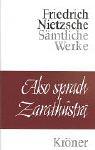 Citation
The Will to Power
Friedrich Nietzsche
Camus evaluates Nietzsche's diagnosis of nihilism and the consequences of the death of God.
High relevanceExplore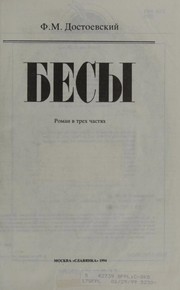 Citation
Demons
Fyodor Dostoevsky
Camus discusses Kirillov and Shigalyov to illustrate logical suicide and totalitarian revolutionary excess.
High relevanceExplore- Citation
The Brothers Karamazov
Fyodor Dostoevsky
Camus analyzes Ivan Karamazov's rebellion against divine injustice as a core archetype of metaphysical revolt.
High relevanceExplore - Citation
Capital
Karl Marx
Camus examines Marxist economic prophecy and its transformation into totalitarian revolutionary dogma.
High relevanceExplore - Citation
God and the State
Mikhail Bakunin
Camus assesses Bakunin's revolutionary anarchism and its moral tensions regarding destruction.
Medium relevanceExplore  Citation
The Ego and Its Own
Max Stirner
Examined by Camus as the culmination of absolute individualist rebellion and nihilistic egoism.
Medium relevanceExplore- Citation
The 120 Days of Sodom
Marquis de Sade
Camus examines Sade's absolute erotic revolt as an early manifestation of destructive nihilism.
Medium relevanceExplore 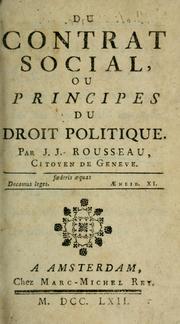 Citation
The Social Contract
Jean-Jacques Rousseau
Camus traces political deification and state terror back to Rousseau's general will.
Medium relevanceExplore- Citation
A Season in Hell
Arthur Rimbaud
Camus explores Rimbaud's poetic revolt, moral anguish, and ultimate abdication of writing.
Medium relevanceExplore - Citation
Les Chants de Maldoror
Comte de Lautréamont
Analyzed by Camus as a quintessential example of poetic and surrealist metaphysical defiance.
Medium relevanceExplore - Citation
Paradise Lost
John Milton
Camus cites Milton's Satan as the romantic archetype of Luciferian metaphysical revolt.
Medium relevanceExplore
There may be more citations. We show up to 12 per book to keep the list manageable.
Recommendations
 AI Recommendation
The Myth of Sisyphus
Albert Camus
Camus's foundational essay addressing the absurd, serving as the philosophical prelude to collective rebellion.
High relevanceExplore- AI Recommendation
The Origins of Totalitarianism
Hannah Arendt
Provides a contemporary political analysis of the ideological terror and state machinery Camus critiques.
High relevanceExplore 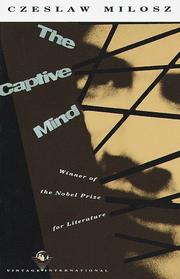 AI Recommendation
The Captive Mind
Czesław Miłosz
Examines the moral and psychological capitulation of intellectuals to totalitarian ideology.
High relevanceExplore AI Recommendation
The Opium of the Intellectuals
Raymond Aron
Critiques the Marxist dogmas and political mythologies prevalent among twentieth-century French thinkers.
High relevanceExplore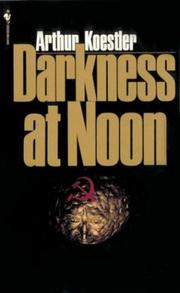 AI Recommendation
Darkness at Noon
Arthur Koestler
A fictional account illustrating how revolutionary absolutism consumes its own adherence to historical necessity.
Medium relevanceExplore AI Recommendation
The Open Society and Its Enemies
Karl Popper
Dismantles the historicist foundations of totalitarian thought rooted in Plato, Hegel, and Marx.
Medium relevanceExplore