Reading guide
Stoicism Books: A Reading Guide from Ancient Sources to Modern Practice
Stoicism began in Athens around 300 BC and became one of the most influential philosophies of the Roman world. Its core idea is simple to state and hard to live: focus on what is within your control, accept what is not, and judge a good life by character rather than circumstance.
This guide starts with the three Roman sources and then moves to modern books that turn their ideas into daily practice. The citations under each book show how later writers draw on the originals.
Opens a new “Stoicism” canvas you can keep, rename or delete.
Step 1
Meditations
Marcus Aurelius · 2006
A Roman emperor's private notes to himself. Short entries on duty, mortality and calm that many readers start with.
Explore in BookommendWhat it cites
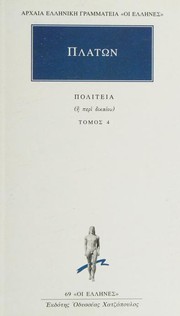 The Republic · PlatoMarcus Aurelius references Plato's ideal of the philosopher-king while contemplating his own burdens as Roman emperor.View
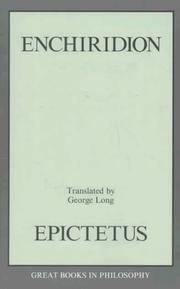 Enchiridion · EpictetusServes as a foundational handbook of Stoic principles that directly inspired Marcus Aurelius's daily ethical reflections.View
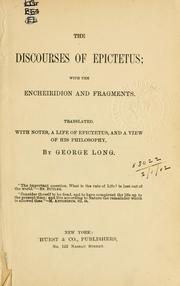 Discourses of Epictetus · EpictetusMarcus Aurelius heavily references Epictetus's teachings on Stoic philosophy, ethics, and mental discipline throughout his personal journals.View
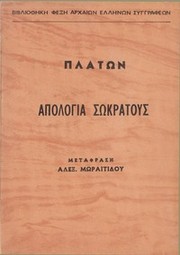 Apology · PlatoQuoted regarding Socrates's steadfast devotion to virtue and willingness to face death without fear.View
Where to read & listen
Step 2
Letters from a Stoic
Seneca · 1969
Warm, practical letters to a friend about time, wealth, fear and friendship. The most personal of the ancient sources.
Explore in BookommendWhat it cites
 Aeneid · VirgilSeneca frequently quotes Virgil's poetry to illustrate duty, stoic resolve, and emotional turmoil.View
 On the Nature of Things · LucretiusSeneca frequently quotes Epicurean ideas recorded here, often to extract universal moral truths.View
 Metaphysics · AristotleSeneca references Aristotelian ethics and logic, often contrasting them with Stoic doctrine.View
- The Republic · PlatoSeneca frequently engages with and critiques Platonic ideas regarding virtue and the soul.View
Where to read & listen
Step 3
Discourses and Selected Writings
Epictetus · 2008
Lessons from a former slave turned teacher, including the Handbook. The clearest statement of what is and isn't in our control.
Explore in BookommendWhat it cites
 Phaedo · PlatoCited regarding Socrates' attitude toward death and the freedom of the rational soul.View
- The Republic · PlatoEpictetus frequently quotes and references Socrates and Platonic dialogues to illustrate moral virtue and philosophy.View
- Crito · PlatoReferenced to demonstrate obedience to law, moral duty, and peaceful acceptance of one's fate.View
- Apology · PlatoEpictetus frequently invokes Socrates' defense to show that a good person cannot be harmed by others.View
Where to read & listen

Step 4
A Guide to the Good Life
William B. Irvine · 2009
A modern philosopher's guide to practising Stoicism today, with techniques such as negative visualisation.
Explore in BookommendWhat it cites
 Discourses and Selected Writings · EpictetusAlso in this guide · Step 3Epictetus provides the foundation for Irvine's discussion on the dichotomy of control.View
 Philosophy as a Way of Life · Pierre HadotInfluences Irvine's central thesis that ancient philosophy was meant to be practiced daily.View
 Meditations · Marcus AureliusAlso in this guide · Step 1Irvine heavily draws upon Marcus Aurelius's personal reflections on duty, mortality, and emotional control.View
 Letters from a Stoic · SenecaAlso in this guide · Step 2Seneca is extensively cited throughout the book as a primary source for practical Stoic techniques.View
Where to read & listen
Step 5
The Obstacle Is the Way
Ryan Holiday · 2013
A popular retelling of Marcus Aurelius's idea that difficulties can become the path forward, told through historical stories.
Explore in BookommendWhat it cites
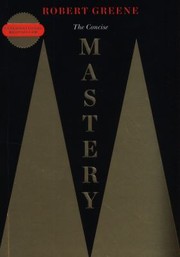 Mastery · Robert GreeneHeavily influenced Holiday's narrative structure and method of extracting practical lessons from historical figures.View
- Letters from a Stoic · SenecaAlso in this guide · Step 2Frequently cited to demonstrate how to mentally prepare for adversity and master one's will.View
- Meditations · Marcus AureliusAlso in this guide · Step 1Provides the foundational quote and core Stoic philosophy that inspired the entire book.View
- Discourses and Selected Writings · EpictetusAlso in this guide · Step 3Directly quoted on separating what is within our control from what is outside our control.View
Where to read & listen
Step 6
The Daily Stoic
Ryan Holiday · 2016
A year of short daily readings from the Stoic sources with commentary, useful once you want to make the ideas a habit.
Explore in BookommendWhat it cites
- Discourses and Selected Writings · EpictetusAlso in this guide · Step 3Essential source text providing actionable Stoic lessons on control and perception.View
- Letters from a Stoic · SenecaAlso in this guide · Step 2Primary source for daily entries on practical philosophy, ethics, and dealing with adversity.View
- Enchiridion · EpictetusFrequently referenced handbook containing core Stoic maxims for daily conduct.View
 Man's Search for Meaning · Viktor E. FranklCited to demonstrate Stoic principles of internal freedom applied in modern extreme hardship.View
Where to read & listen
Other perspectives
Some readers find modern Stoicism reduced to self-help or productivity advice, and scholars point out that the ancient school also included physics and logic that popular books leave out. Reading the original texts first helps keep the full picture in view.
Citations are suggested by AI and not verified against the full text. This page may contain affiliate links. We may earn from qualifying purchases at no additional cost to you.
Opens a new “Stoicism” canvas you can keep, rename or delete.