Author
Albert Camus
2 books in the library · referenced in 4 books
Explore Albert Camus's worksBooks by Albert Camus

Showing 2 of 2 books
Books Albert Camus mentions & references
- Explore
 DemonsFyodor DostoevskyMentioned in 2 of their booksIn The Myth of Sisyphus and Other Essays: Camus analyzes Kirillov's suicide as the ultimate logical experiment in human freedom and absurdity.In The Rebel: Camus discusses Kirillov and Shigalyov to illustrate logical suicide and totalitarian revolutionary excess.
- Explore
 The Brothers KaramazovFyodor DostoevskyMentioned in 2 of their booksIn The Myth of Sisyphus and Other Essays: Camus cites Ivan Karamazov's rebellion against an unjust universe as an absurd stance.In The Rebel: Camus analyzes Ivan Karamazov's rebellion against divine injustice as a core archetype of metaphysical revolt.
A Season in HellArthur RimbaudIn The Rebel: Camus explores Rimbaud's poetic revolt, moral anguish, and ultimate abdication of writing.Explore
CapitalKarl MarxIn The Rebel: Camus examines Marxist economic prophecy and its transformation into totalitarian revolutionary dogma.Explore
 Critique of Pure ReasonImmanuel KantIn The Myth of Sisyphus and Other Essays: Referenced to illustrate the historical philosophical boundaries placed upon human comprehension.Explore
- Explore
 Fear and TremblingSøren KierkegaardIn The Myth of Sisyphus and Other Essays: Camus critiques Kierkegaard's religious leap of faith as philosophical suicide.
God and the StateMikhail BakuninIn The Rebel: Camus assesses Bakunin's revolutionary anarchism and its moral tensions regarding destruction.Explore
- Explore
 Ideas: General Introduction to Pure PhenomenologyEdmund HusserlIn The Myth of Sisyphus and Other Essays: Critiqued by Camus for ultimately deifying reason despite starting from empirical lucid description.
- Explore
Les Chants de MaldororComte de LautréamontIn The Rebel: Analyzed by Camus as a quintessential example of poetic and surrealist metaphysical defiance.
Paradise LostJohn MiltonIn The Rebel: Camus cites Milton's Satan as the romantic archetype of Luciferian metaphysical revolt.Explore
- Explore
 Philosophy of ExistenceKarl JaspersIn The Myth of Sisyphus and Other Essays: Critiqued for turning the failure of human reason into an encounter with transcendence.
- Explore
The 120 Days of SodomMarquis de SadeIn The Rebel: Camus examines Sade's absolute erotic revolt as an early manifestation of destructive nihilism.
- Explore
 The CastleFranz KafkaIn The Myth of Sisyphus and Other Essays: Analyzed to demonstrate how Kafka's protagonist grapples with a lucid yet elusive reality.
- Explore
 The Ego and Its OwnMax StirnerIn The Rebel: Examined by Camus as the culmination of absolute individualist rebellion and nihilistic egoism.
- Explore
 The Gay ScienceFriedrich NietzscheIn The Myth of Sisyphus and Other Essays: Influences Camus's rejection of metaphysical comfort and embrace of lucid, tragic awareness.
- Explore
 The MetamorphosisFranz KafkaIn The Myth of Sisyphus and Other Essays: Discussed as an exemplary representation of lucidity encountering the fundamentally irrational.
The Phenomenology of SpiritGeorg Wilhelm Friedrich HegelIn The Rebel: Camus critiques Hegel's master-slave dialectic and historical teleology for legitimizing state terror.Explore
- ExploreThe Sickness unto DeathSøren KierkegaardIn The Myth of Sisyphus and Other Essays: Cited regarding the nature of existential despair and the evasion of lucid confrontation.
- Explore
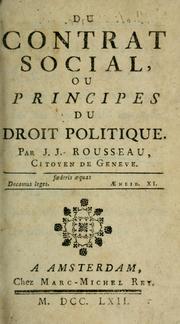 The Social ContractJean-Jacques RousseauIn The Rebel: Camus traces political deification and state terror back to Rousseau's general will.
- Explore
 The TrialFranz KafkaIn The Myth of Sisyphus and Other Essays: Examined in the appendix as a definitive literary depiction of the absurd condition.
 The Will to PowerFriedrich NietzscheIn The Rebel: Camus evaluates Nietzsche's diagnosis of nihilism and the consequences of the death of God.Explore
- ExploreThus Spoke ZarathustraFriedrich NietzscheIn The Myth of Sisyphus and Other Essays: Provides conceptual support for living intensely without appeal to external meaning.
Books that mention & reference Albert Camus
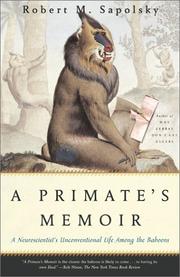
A Primate's Memoir
Robert Sapolsky
Death in Life: Survivors of Hiroshima
Robert Jay Lifton
Mortal Questions
Thomas Nagel
The Worm at the Core: On the Role of Death in Life
Sheldon Solomon, Jeff Greenberg, and Tom Pyszczynski
Showing 4 of 4 books