Author
Ray Dalio
3 books in the library · referenced in 2 books
Explore Ray Dalio's worksBooks by Ray Dalio
Principles for Dealing with the Changing World Order
Ray Dalio
Principles for Navigating Big Debt Crises
Ray Dalio
Principles: Life and Work
Ray Dalio
Showing 3 of 3 books
Books Ray Dalio mentions & references
- Explore
 The Lessons of HistoryWill Durant and Ariel DurantMentioned in 2 of their booksIn Principles: Life and Work: Dalio cites this book for its profound insights into recurring historical, economic, and behavioral cycles.In Principles for Dealing with the Changing World Order: Cited for recurring insights into historical cycles of wealth concentration, debt, and human nature.
- Explore
A Monetary History of the United States, 1867–1960Milton Friedman and Anna Jacobson SchwartzIn Principles for Navigating Big Debt Crises: Provides foundational historical data on monetary policy errors during the Great Depression.
- Explore
 Beyond Religion: Ethics for a Whole WorldDalai LamaIn Principles: Life and Work: Cited regarding universal human values, mindfulness, and transcendental meditation practices.
- Explore
Booms and DepressionsIrving FisherIn Principles for Navigating Big Debt Crises: Underpins Dalio's understanding of debt deflation mechanics and balance sheet distress.
- Explore
Destined for War: Can America and China Escape Thucydides's Trap?Graham AllisonIn Principles for Dealing with the Changing World Order: Directly referenced to frame the escalating geopolitical rivalry between the United States and rising China.
- Explore
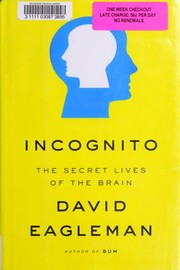 Incognito: The Secret Lives of the BrainDavid EaglemanIn Principles: Life and Work: Cited to explain how subconscious neurobiology influences conscious behavior and organizational interactions.
- Explore
Lombard Street: A Description of the Money MarketWalter BagehotIn Principles for Navigating Big Debt Crises: Informs the classical central bank lender-of-last-resort doctrine analyzed across debt crises.
- Explore
Manias, Panics, and Crashes: A History of Financial CrisesCharles P. KindlebergerIn Principles for Navigating Big Debt Crises: Serves as an essential historical reference on recurring psychological and speculative credit bubbles.
- Explore
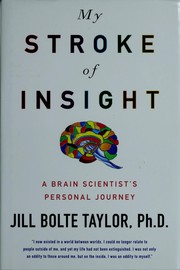 My Stroke of InsightJill Bolte TaylorIn Principles: Life and Work: Cited by Dalio to highlight physiological differences between the brain's left and right hemispheres.
- Explore
On ChinaHenry KissingerIn Principles for Dealing with the Changing World Order: Informs Dalio's perspective on Chinese strategic culture, long-term statecraft, and balance-of-power diplomacy.
- Explore
On WarCarl von ClausewitzIn Principles for Dealing with the Changing World Order: Cited regarding the nature of conflict, state power, and war as politics by other means.
- Explore
 Originals: How Non-Conformists Move the WorldAdam GrantIn Principles: Life and Work: Dalio notes organizational collaboration with Grant on psychometric testing and independent thinking.
Principles for Navigating Big Debt CrisesRay DalioIn Principles for Dealing with the Changing World Order: Serves as the empirical foundation for the debt and financial cycle mechanics analyzed in the book.Explore
Principles: Life and WorkRay DalioIn Principles for Navigating Big Debt Crises: Dalio introduces debt principles as a direct extension of his overarching operational philosophy.Explore
- Explore
 River Out of EdenRichard DawkinsIn Principles: Life and Work: Dalio draws on Dawkins's evolutionary perspective to view reality and progress through nature's mechanisms.
- Explore
Stress Test: Reflections on Financial CrisesTimothy F. GeithnerIn Principles for Navigating Big Debt Crises: Provides an insider account of emergency liquidity management during the 2008 meltdown.
- Explore
 Subliminal: How Your Unconscious Mind Rules Your BehaviorLeonard MlodinowIn Principles: Life and Work: Referenced to illustrate how unconscious mental processes shape judgment and emotional responses.
- Explore
The Art of WarSun TzuIn Principles for Dealing with the Changing World Order: Referenced to illustrate traditional Chinese strategic concepts and approaches to asymmetric conflict.
- Explore
The Courage to Act: A Memoir of a Crisis and Its AftermathBen S. BernankeIn Principles for Navigating Big Debt Crises: Referenced for modern central bank policy decision-making during the 2008 financial crisis.
- Explore
The Great Crash 1929John Kenneth GalbraithIn Principles for Navigating Big Debt Crises: Draws on Galbraith's detailed narrative of the 1929 stock market crash and subsequent panic.
 The Hero with a Thousand FacesJoseph CampbellIn Principles: Life and Work: Dalio references Campbell's archetypal hero's journey to conceptualize his own life stages and transitions.Explore
- Explore
The History of the Decline and Fall of the Roman EmpireEdward GibbonIn Principles for Dealing with the Changing World Order: Referenced as a primary historical case study of internal decadence and imperial decline.
- Explore
The Rise and Fall of the Great PowersPaul KennedyIn Principles for Dealing with the Changing World Order: Provides foundational concepts on imperial overstretch and cyclical wealth shifts that heavily shape Dalio's historical model.
- Explore
The Spiritual BrainMario Beauregard and Denyse O'LearyIn Principles: Life and Work: Referenced during discussions on the neuroscience of consciousness and meditation.
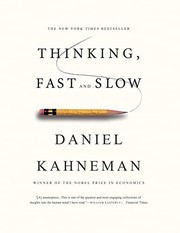 Thinking, Fast and SlowDaniel KahnemanIn Principles: Life and Work: Referenced by Dalio regarding cognitive biases, dual-system brain processes, and objective decision-making.Explore
Books that mention & reference Ray Dalio

Showing 2 of 2 books