Author

Robert Greene
Robert Greene is an American author of books on strategy, power, and seduction. He has written seven international bestsellers, including The 48 Laws of Power, The Art of Seduction, The 33 Strategies of War, The 50th Law, Mastery, The Laws of Human Nature, and The Daily Laws. Wikipedia
6 books in the library · referenced in 1 book
Explore Robert Greene's worksBooks by Robert Greene
Mastery
Robert Greene
The 33 Strategies of War
Robert Greene
The 48 Laws of Power
Robert Greene

The 50th Law
50 Cent, Robert Greene

The Art of Seduction
Robert Greene
The Laws of Human Nature
Robert Greene
Showing 6 of 6 books
Books Robert Greene mentions & references
- Explore
 The PrinceNiccolò MachiavelliMentioned in 5 of their booksIn The 33 Strategies of War: Used to illustrate practical realism, statecraft, and the necessity of calculated ruthlessness.In The Laws of Human Nature: Provides foundational insights on social strategy, manipulation, and accepting human reality as it is.In The Art of Seduction: Informs Greene's underlying philosophy that human relations and seduction are inherently political games of power.In The 48 Laws of Power: Serves as a foundational text for Greene's strategic philosophy on statecraft and manipulation.In The 50th Law: Cited to illustrate supreme realism, strategic adaptability, and the necessity of discarding illusions in competitive environments.
- Explore
 The Art of WarSun TzuMentioned in 3 of their booksIn The 48 Laws of Power: Provides classic military strategies on deception and strategy directly applied throughout the laws.In The 33 Strategies of War: Serves as a primary intellectual foundation for Greene's principles of deception, maneuver, and psychological advantage.In The 50th Law: Referenced for its principles of fluid strategy, adaptability to circumstances, and maintaining formlessness in conflict.
MeditationsMarcus AureliusMentioned in 2 of their booksIn The 50th Law: Drawn upon to exemplify the Stoic approach to mastering fear, embracing adversity, and confronting mortality.In The Laws of Human Nature: Greene references Marcus Aurelius as a supreme model of emotional control and pragmatic acceptance of human weaknesses.Explore
- Explore
On WarCarl von ClausewitzMentioned in 2 of their booksIn The 50th Law: Referenced to discuss friction, the fog of war, and the necessity of bold, decisive leadership under pressure.In The 33 Strategies of War: Frequently quoted to explain operational concepts such as the center of gravity, friction, and the political nature of warfare.
- Explore
 The Book of Five RingsMiyamoto MusashiMentioned in 2 of their booksIn The 33 Strategies of War: Referenced for tactical mindset, timing, unpredictability, and psychological disruption in individual conflict.In The 50th Law: Used to illustrate the warrior mindset of remaining emotionally unattached and embracing direct confrontation with danger.
- Explore
 The Book of the CourtierBaldassare CastiglioneMentioned in 2 of their booksIn The 48 Laws of Power: Influences laws concerning nonchalance, reputation, and navigating dangerous social hierarchies.In The Art of Seduction: Cited for its insights on the art of sprezzatura, or studied nonchalance, and social charm.
- Explore
 The Complete EssaysMichel de MontaigneMentioned in 2 of their booksIn The 50th Law: Cited regarding the philosophy of meditating frequently on death to diminish its power and eliminate existential fear.In The Laws of Human Nature: Invoked as an exemplar of rigorous self-examination and brutal honesty about one's own foolishness.
Beyond Good and EvilFriedrich NietzscheIn The Laws of Human Nature: Cited regarding human self-deception, master-slave morality, and the underlying desire for power.Explore
- Explore
 Civilization and Its DiscontentsSigmund FreudIn The Laws of Human Nature: Used to explore the suppression of human aggression and innate impulses within civilized society.
- Explore
Conversations with GoetheJohann Peter EckermannIn Mastery: Details Johann Wolfgang von Goethe's synthesis of artistic and scientific dimensional thinking.
- Explore
 De Re MilitariVegetiusIn The 33 Strategies of War: Referenced for ancient principles of discipline, military preparation, and defensive warfare.
 Discourses and Selected WritingsEpictetusIn The 50th Law: Mentioned to contrast what lies within human control versus external events that must be accepted without fear.Explore
- Explore
 Essays: First and Second SeriesRalph Waldo EmersonIn The 50th Law: Referenced, particularly the essay 'Self-Reliance', to advocate for inner autonomy and trusting one's own instincts.
- Explore
 EthicsBaruch SpinozaIn The Laws of Human Nature: Mentioned for Spinoza's view that human emotions should be studied objectively like geometric figures.
- Explore
Faraday as a DiscovererJohn TyndallIn Mastery: Provides biographical evidence of Michael Faraday's self-taught journey from bookbinder to master scientist.
 Flow: The Psychology of Optimal ExperienceMihaly CsikszentmihalyiIn Mastery: Informs Greene's analysis of deep absorption and intuition during creative practice.Explore
- Explore
 HistoriesTacitusIn The 48 Laws of Power: Cited for historical examples regarding political intrigue and the mechanics of imperial power.
- Explore
 History of the Peloponnesian WarThucydidesIn The 33 Strategies of War: Drawn upon for historical case studies on imperial overreach, hubris, and shifting alliances.
- Explore
 Infantry AttacksErwin RommelIn The 33 Strategies of War: Cited to show the power of speed, local initiative, and rapid offensive thrusts to disorient defenders.
- Explore
 Les Liaisons dangereusesPierre Choderlos de LaclosIn The Art of Seduction: Referenced to illustrate tactical romantic warfare, strategic letters, and psychological manipulation.
- Explore
 Letters to His SonPhilip Stanhope, Lord ChesterfieldIn The Art of Seduction: Referenced for historical advice on flattery, observation, and gaining social influence.
- Explore
 MemoirsGiacomo CasanovaIn The 48 Laws of Power: Used to illustrate the laws of seduction, charm, and social manipulation.
- Explore
 Memoirs of the Duc de Saint-SimonLouis de Rouvroy, duc de Saint-SimonIn The Art of Seduction: Used as a historical source for the courtly intrigues, rivalries, and seductions at Versailles.
- Explore
My Inventions: The Autobiography of Nikola TeslaNikola TeslaIn Mastery: Explores Tesla's vivid visual thinking and disciplined mental experimentation.
- Explore
 Narrative of the Life of Frederick DouglassFrederick DouglassIn The 50th Law: Cited as an exemplar of mental emancipation, self-reliance, and defying physical and psychological intimidation.
- Explore
On Guerrilla WarfareMao ZedongIn The 33 Strategies of War: Examined to detail asymmetric warfare, protracted struggle, and turning weakness into strategic advantage.
- Explore
On LoveStendhalIn The Art of Seduction: Greene borrows Stendhal's concept of 'crystallization' to explain how victims project ideal qualities onto the seducer.
- Explore
Parallel LivesPlutarchIn The 33 Strategies of War: Supplies numerous biographical anecdotes of classical leaders like Alexander the Great and Julius Caesar.
- Explore
 Seven Pillars of WisdomT. E. LawrenceIn The 33 Strategies of War: Illustrates psychological warfare, non-linear maneuvering, and desert guerrilla tactics.
- Explore
 StrategyB. H. Liddell HartIn The 33 Strategies of War: Informs Greene's emphasis on the indirect approach and avoiding head-on confrontations.
- Explore
 SymposiumPlatoIn The Art of Seduction: Examined to explore the philosophical origins of desire, emotional lack, and the idealized beloved.
- Explore
 The Archetypes and the Collective UnconsciousC. G. JungIn The Laws of Human Nature: Informs Greene's analysis of the Shadow and the repressed darker aspects of the human personality.
- Explore
 The Art of LoveOvidIn The Art of Seduction: Quoted extensively throughout the book as an ancient foundational manual on courtship and romantic stratagems.
- Explore
 The Art of Worldly WisdomBaltasar GracianIn The 48 Laws of Power: A primary source for aphorisms on discretion, strategy, and managing human nature.
- Explore
The Autobiography of Charles DarwinCharles DarwinIn Mastery: Draws on Darwin's self-directed apprenticeship aboard the Beagle to demonstrate creative breakthrough.
- Explore
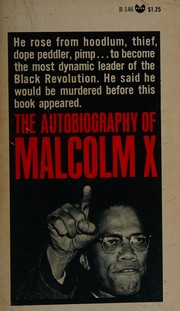 The Autobiography of Malcolm XMalcolm XIn The 50th Law: Referenced to demonstrate how extreme adversity and imprisonment can be transformed into intense self-education and purpose.
- Explore
The Campaigns of NapoleonDavid G. ChandlerIn The 33 Strategies of War: Provides tactical and operational examples of Napoleon Bonaparte's rapid concentration of force and maneuver strategies.
- Explore
The Expression of the Emotions in Man and AnimalsCharles DarwinIn The Laws of Human Nature: Referenced in the chapter on nonverbal communication to explain the evolutionary origins of micro-expressions.
- Explore
 The FablesJean de La FontaineIn The 48 Laws of Power: Frequently cited for allegorical lessons on human deception and power dynamics.
- Explore
The Gay ScienceFriedrich NietzscheIn The 50th Law: Cited for the concept of 'amor fati'—embracing and loving one's fate, including hardships and suffering.
Books that mention & reference Robert Greene
Showing 1 of 1 books