Author
Oliver Burkeman
2 books in the library · referenced in 0 books
Explore Oliver Burkeman's worksBooks by Oliver Burkeman

Showing 2 of 2 books
Books Oliver Burkeman mentions & references
 The Denial of DeathErnest BeckerMentioned in 2 of their booksIn Four Thousand Weeks: Cited to argue that relentless productivity serves as an unconscious psychological defense against confronting mortality.In The antidote: Informs the chapter on how fear of mortality drives counterproductive human behaviors and anxiety.Explore
 A Guide to the Good LifeWilliam B. IrvineIn The antidote: Referenced in discussions on modern applications of Stoic philosophy and negative visualization.Explore
 Being and TimeMartin HeideggerIn Four Thousand Weeks: Burkeman draws heavily on Heidegger's philosophy of radical finitude and the concept that humans do not have time, but are time.Explore
- Explore
 EnchiridionEpictetusIn The antidote: Cited to illustrate how controlling our reactions to events matters more than the events themselves.
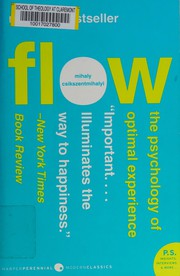 Flow: The Psychology of Optimal ExperienceMihaly CsikszentmihalyiIn The antidote: Referenced in analyzing the relationship between effortlessness, goal-setting, and human fulfillment.Explore
 Getting Things DoneDavid AllenIn Four Thousand Weeks: Burkeman critiques Allen's system as an archetype of the impossible quest to master infinite incoming demands.Explore
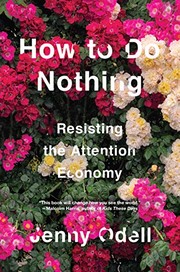 How to Do Nothing: Resisting the Attention EconomyJenny OdellIn Four Thousand Weeks: Referenced in discussions on reclaiming sovereign attention from capitalist metrics of instrumentalized productivity.Explore
 Letters from a StoicSenecaIn The antidote: Burkeman explores Stoic philosophy and Seneca's practice of premeditatio malorum to embrace negative emotions.Explore
- Explore
 Midlife: A Philosophical GuideKieran SetiyaIn Four Thousand Weeks: Burkeman cites Setiya to explain the necessity of atelic activities pursued purely for their own sake.
- Explore
 MomoMichael EndeIn Four Thousand Weeks: Referenced as a cautionary parable illustrating how efficiency obsession robs human existence of richness and presence.
- Explore
 On the Shortness of LifeSenecaIn Four Thousand Weeks: Seneca's stoic reflections frame Burkeman's core argument regarding the tragic brevity and squandering of human life.
- Explore
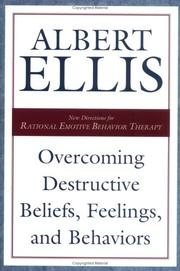 Rational Emotive Behavior TherapyAlbert EllisIn The antidote: Ellis's psychological framework is examined as a modern, practical offspring of ancient Stoic thought.
- Explore
 The Dance of Life: The Other Dimension of TimeEdward T. HallIn Four Thousand Weeks: Cited to contrast modern abstract clock time with relational, task-oriented ways of experiencing temporality.
- Explore
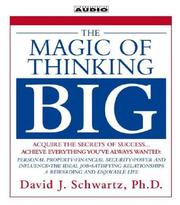 The Magic of Thinking BigDavid J. SchwartzIn The antidote: Critiqued as an example of relentless positive thinking that often backfires on individuals.
- Explore
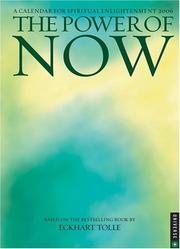 The Power of NowEckhart TolleIn The antidote: Discussed critically and contextualized within the broader landscape of modern spiritual self-help.
- Explore
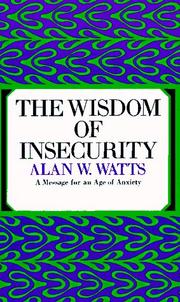 The Wisdom of InsecurityAlan WattsIn The antidote: Watts's 'backwards law' is central to Burkeman's argument that searching for happiness prevents it.
- Explore
Thought as a SystemJiddu KrishnamurtiIn The antidote: Cited regarding the paradox of attempting to use the mind to control the mind.