Author
Jonathan Haidt
2 books in the library · referenced in 7 books
Explore Jonathan Haidt's worksBooks by Jonathan Haidt

Showing 2 of 2 books
Books Jonathan Haidt mentions & references
- Explore
 Alone TogetherSherry TurkleIn The Anxious Generation: Referenced regarding how digital communication substitutes superficial connectivity for deep, embodied conversation.
 Amusing Ourselves to DeathNeil PostmanIn The Anxious Generation: Evoked as an early warning about the cultural and psychological hazards of screen-based media displacing print and real-world discourse.Explore
 Bowling AloneRobert D. PutnamIn The Anxious Generation: Cited to show the broader multi-decade decline in American social capital and community engagement.Explore
- Explore
 Boys AdriftLeonard SaxIn The Anxious Generation: Referenced in analyzing the distinct ways adolescent boys withdraw into digital realms like gaming and pornography.
- Explore
 ConsilienceEdward O. WilsonIn The Righteous Mind: Inspired the integration of evolutionary biology, anthropology, and psychology into a unified moral science.
- Explore
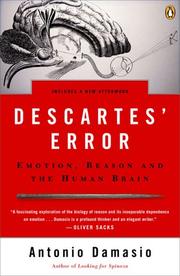 Descartes' ErrorAntonio DamasioIn The Righteous Mind: Provided neurological evidence that emotion is necessary for rational decision-making, influencing Haidt's social intuitionist model.
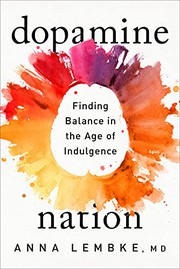 Dopamine NationAnna LembkeIn The Anxious Generation: Used to explain the neurological mechanisms of addiction and how digital devices exploit reward pathways.Explore
- Explore
 Free-Range KidsLenore SkenazyIn The Anxious Generation: Cited to illustrate how modern cultural paranoia limits children's autonomy and physical-world exploration.
- Explore
 Girls on the EdgeLeonard SaxIn The Anxious Generation: Cited to explain the unique vulnerabilities of adolescent girls to social comparison and cyberbullying.
- Explore
 iGenJean M. TwengeIn The Anxious Generation: Provides foundational epidemiological data showing the sudden rise in teen mental illness coinciding with smartphone adoption.
- Explore
 Passions Within ReasonRobert H. FrankIn The Righteous Mind: Demonstrates how moral emotions function as strategic commitment devices in social interactions.
- Explore
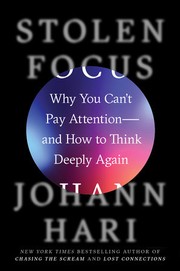 Stolen FocusJohann HariIn The Anxious Generation: Referenced in discussions about the corporate incentives driving platforms to capture and monetize attention.
 The Adapted MindJerome H. Barkow, Leda Cosmides, and John ToobyIn The Righteous Mind: Cited as an essential framework for understanding modularity in evolutionary psychology.Explore
 The Blank SlateSteven PinkerIn The Righteous Mind: Cited regarding the innate architecture of the human mind versus radical social constructivism.Explore
- Explore
The Coddling of the American MindGreg Lukianoff and Jonathan HaidtIn The Anxious Generation: Haidt references his prior work to explain the rise of safetyism and the decline of independent childhood play.
- Explore
 The Cultural Origins of Human CognitionMichael TomaselloIn The Righteous Mind: Cited for the concept of shared intentionality that distinguishes human social cooperation from other primates.
- Explore
 The Descent of ManCharles DarwinIn The Righteous Mind: Cited for foundational observations on the evolutionary origins of human morality and early theories of group selection.
- Explore
 The Evolution of CooperationRobert AxelrodIn The Righteous Mind: Cited to explain the game-theoretic foundations of fairness, reciprocity, and tit-for-tat strategies.
 The Righteous MindJonathan HaidtIn The Anxious Generation: The author draws on his earlier moral psychology framework to explain group dynamics and online tribalism.Explore
 The Selfish GeneRichard DawkinsIn The Righteous Mind: Referenced in debates concerning gene-level versus group-level selection in the evolution of altruism.Explore
 The ShallowsNicholas CarrIn The Anxious Generation: Discussed regarding how habitual internet use fragments cognitive attention and alters brain development.Explore
- Explore
 Unto OthersElliott Sober and David Sloan WilsonIn The Righteous Mind: Supplied theoretical defense of multilevel selection, central to Haidt's argument that humans are partly group-selected.
Books that mention & reference Jonathan Haidt
Behave
Robert Sapolsky
Supercommunicators
Charles Duhigg

The Elephant in the Brain
Kevin Simler, Robin Hanson
The Laws of Human Nature
Robert Greene
Think Again
Adam Grant

Thinking in Bets
Annie Duke

Willpower
Roy F. Baumeister
Showing 7 of 7 books